Snake & Venom Lookup by Region毒蛇风险分区查询
Text-based ID traits and bite response for 15 regions — no photo guessing with your life. 15 个地区毒蛇的文字识别特征与咬伤处置——别拿照片猜命。
How the snake lookup works
Choose one of 15 regions and the tool returns species cards for the medically important venomous snakes in that area: the US Southeast through the Rockies, Pacific West, Midwest, Northeast and Northwest/Alaska, Canada, the UK, mainland Europe, Australia, Southeast Asia, South Asia, southern Africa and Central/South America. Each card is deliberately text-only: physical traits, habitat, active time, avoidance and bite notes.
Why there are no identification photos
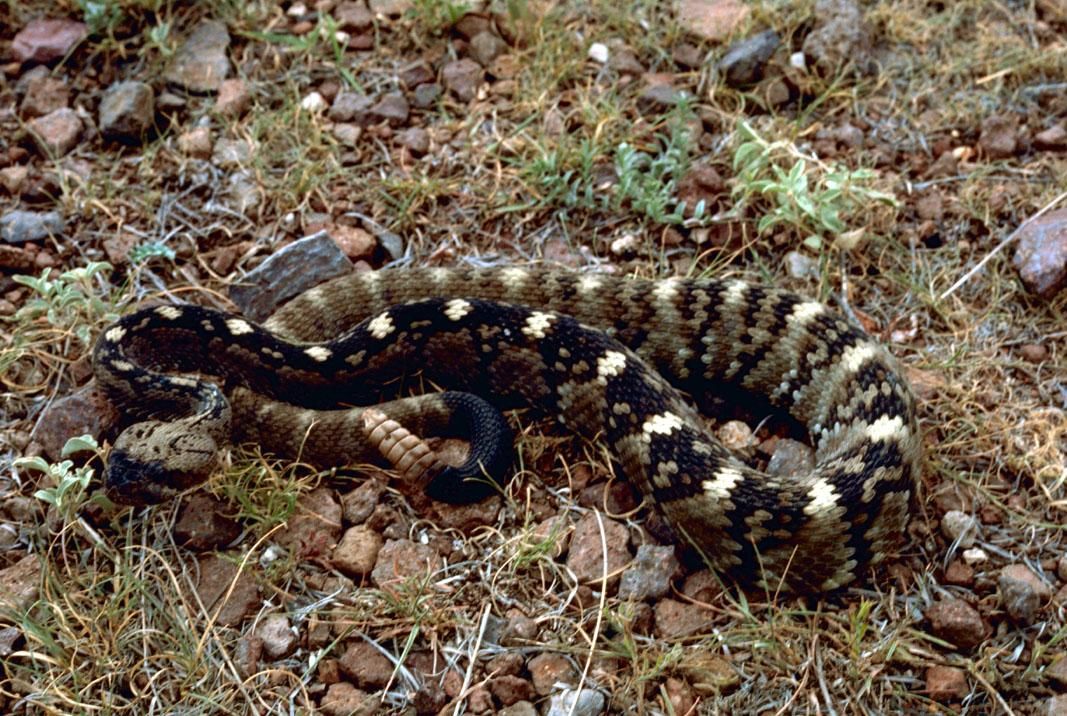
Snake identification from a photograph is unsafe by design. Colour and pattern vary with age, locality, recent shedding and lighting; wet dark snakes look uniformly black; and harmless species — from the UK grass snake to New World “false coral” snakes — evolve to closely match venomous models. A wrong guess changes whether a hiker steps over the snake or photographs its head at 30 cm. The conservative rule the tool teaches is simple: every unidentified snake is treated as dangerous, backed away from, and never handled, including snakes that appear dead. A severed head can deliver a reflex bite hours after death; snakes never chase people, only defend, investigate and retreat.
How to read a species card
Traits combine the features herpetologists use together — body build, colours and pattern, head shape and pupils, and hardware such as a rattle, hood or snout horn — because no single field is reliable alone. Habitat and active time tell you when to expect the encounter: a nocturnal pit viper on a plantation path at dusk is a different risk from a basking adder on a spring moor. Avoidance turns that into behaviour (headlamps, closed footwear, never grabbing foliage at face height, checking shoes and bedding), and bite notes describe the venom syndrome so you know why evacuation speed matters. The universal steps — retreat slowly, calm, remove constrictive items, immobilise near heart level, no tourniquet/cut/suck/ice, remember the pattern, get carried out — appear with every region, alongside the correct emergency or poison-centre number (1-800-222-1222 in the US, 13 11 26 in Australia, 112 in Europe, 999/111 in the UK). If a snakebite happens, pair this page with the Bite, Sting & Tick Aid tool for timed aftercare.
毒蛇查询的工作原理
选择 15 个地区之一,工具返回该地区具有医学重要性的毒蛇物种卡:美国东南部、西南部、太平洋西部、落基山与大盆地、中西部、东北部、西北部与阿拉斯加,以及加拿大、英国、欧洲大陆、澳大利亚、东南亚、南亚、南部非洲和中南美洲。每张卡片刻意只使用文字:形态特征、生境、活动时段、回避方法与咬伤要点。
为什么不提供识别照片
靠照片鉴别蛇种在设计上就是不安全的。颜色和花纹随年龄、产地、刚蜕皮与否和光线而变化;湿漉漉的深色蛇看起来全黑;而从英国水游蛇到新大陆“假珊瑚蛇”,大量无害物种都在拟态毒蛇。一次误判会决定一个徒步者是跨过蛇走,还是在 30 厘米外拍它的头。本工具教的保守规则很简单:任何认不出的蛇都按危险处理,后退、绝不抓拿,包括看似已死的蛇——蛇头被斩下数小时后仍能反射性咬人。蛇从不追人,只会防御、试探和逃跑。
怎样阅读物种卡
形态特征组合了爬行学家综合使用的字段——体态、颜色花纹、头形与瞳孔,以及响环、颈部膨扁、吻角等“硬件”——因为任何单一特征都不可靠。生境与活动时段告诉你何时最可能遭遇:黄昏种植园路上的夜行蝮蛇,与春天高沼上晒背的极北蝰,风险完全不同。回避方法把它变成行为(头灯、封闭鞋、不抓脸侧高度的枝叶、检查鞋和卧具),咬伤要点说明毒液症候群,让你理解为什么撤离速度重要。每个地区都会显示通用步骤——缓慢后退、冷静、摘掉束缚物品、肢体固定在心脏附近高度、不止血带/切开/口吸/冰敷、记住花纹、被抬送撤离——并附正确的急救与毒物中心电话(美国 1-800-222-1222、澳大利亚 13 11 26、欧洲 112、英国 999/111)。真的被咬时,请把本页与“叮咬蜇伤与蜱虫处置”工具配合使用,按时间线完成后续处置。