Wildlife Encounter Assistant野生动物遭遇助手
Pick the animal and its behavior — get the exact playbook: fight, play dead, back away or run. 选择动物与它的行为——得到准确剧本:反击、装死、后退还是跑。
How the encounter assistant works
The single most important fact in wildlife safety is this: the correct response depends on the animal’s behaviour, not just its species. A grizzly surprised at 10 feet over a kill gets one response; the same grizzly silently tracking your trail gets the opposite one. This tool combines 14 animals with six real-time situations — distant sighting, approaching, charging, physical contact, predatory stalking and defending young or a kill — and returns an ordered action list drawn from national-park and wildlife-agency guidance.
Defensive versus predatory bear attacks
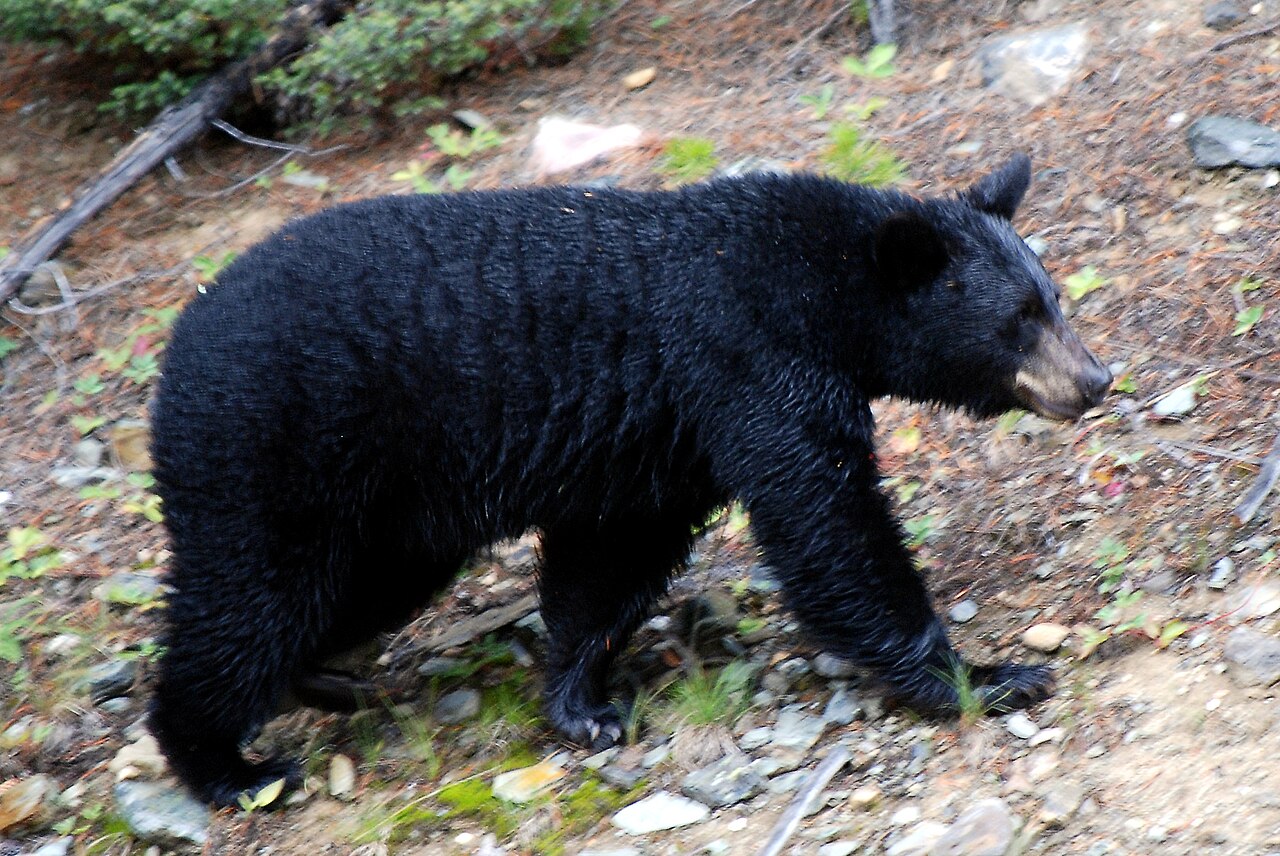
A defensive bear is surprised, feels trapped, or is guarding cubs or food. Its charge is usually a bluff meant to remove you. For a grizzly or brown bear, defensive contact means play dead: prone on your stomach, fingers clasped behind your neck, legs slightly apart so you cannot be rolled easily, pack left on for protection. Stay motionless until several minutes after the bear has genuinely left — getting up early renews the attack. If the assault turns prolonged or predatory, switch to fighting the face, eyes and nose. For a black bear, the rule is never to play dead — any contact means fight back hard at the muzzle and face; documented attacks are stopped by determined resistance.
Bear spray, distance and the exceptions
Bear spray is your first line when a bear keeps coming: a roughly two-second burst aimed slightly downward into the face path at about 30–40 ft (9–12 m), adjusted for wind, followed by a sidestep. The U.S. National Park Service distance rule is 100 yd (91 m) for bears and wolves and 25 yd (23 m) for other wildlife — these are minimums, not targets, and any animal that changes its behaviour because of you is already too close. The exceptions are deliberately counter-intuitive: run from a charging moose and put a tree, boulder or vehicle between you; sprint straight, not zigzag, from an alligator on land; freeze and back slowly away from a rattlesnake; never run, crouch or bend down around cats. The built-in reference card also teaches the thumb-rangefinder trick — the sideways jump of an outstretched thumb between eyes is roughly eight times the target’s width — so you can estimate range before you are committed.
遭遇助手的工作原理
野生动物安全中最重要的一条事实是:正确反应取决于动物的行为,而不只是物种。一只在 10 英尺外被你惊到、正护着猎物的灰熊,需要一种反应;同一只灰熊安静地尾随你的踪迹,则需要完全相反的反应。本工具把 14 种动物与 6 种实时情境(远距离发现、逼近、冲锋、身体接触、掠食性跟踪、护卫幼崽或猎物)组合,给出依据国家公园与野生动物管理机构指南编写的有序行动清单。
防御性与掠食性熊袭的区别
防御性的熊是受到惊吓、觉得被困,或在护卫幼崽、食物;它的冲锋通常是为了赶走你的虚招。面对灰熊或棕熊的防御性接触,要装死:俯卧、双手十指交叉抱在颈后、双腿略分开以免被轻易翻面,背包不脱以保护背部;保持不动,直到熊真正离开后再多等几分钟——过早起身会招来二次攻击。若攻击持续或转为掠食,则改为猛击脸、眼、鼻。面对黑熊的规则是绝不装死——一旦接触就猛击口鼻和面部、坚决反击;有记录表明掠食性黑熊袭击会被顽强抵抗中止。
防熊喷雾、距离与例外情形
熊持续逼近时,防熊喷雾是第一道防线:在约 30–40 英尺(9–12 米)距离上朝它脸的行进路线略微向下喷射约 2 秒,考虑风向,喷后侧步。美国国家公园管理局的距离规则是熊和狼 100 码(91 米)、其他野生动物 25 码(23 米)——这是最小值而非目标,只要动物因你而改变行为,就说明已经太近。例外情形刻意反直觉:驼鹿冲锋时要跑,用树、巨石或车辆隔开;在陆地上躲避短吻鳄要直线冲刺而非之字形;对响尾蛇要先定住再缓慢后撤;面对猫科动物绝不奔跑、蹲下或弯腰。结果区的参照卡还教你拇指测距法——伸直手臂竖起拇指、两眼交替时拇指横向“跳过”的间隙约为目标宽度的 8 倍,让你在无法脱身前粗估距离。