First-Aid Kit Builder野外急救包定制清单
A kit sized to your days out, distance from help and group — with quantities, grams and a printable checklist. 按出行天数、距救援时间与人数定制清单,含建议数量、克重估算与可打印勾选表。
How the kit builder works
Most first-aid kits fail the same way: they are stuffed with things you will never use and missing the things you reach for every trip. This builder starts from injury frequency rather than shelf appeal, scales every consumable to your party and itinerary, and gives you a checklist you can tick, save on this device and print.
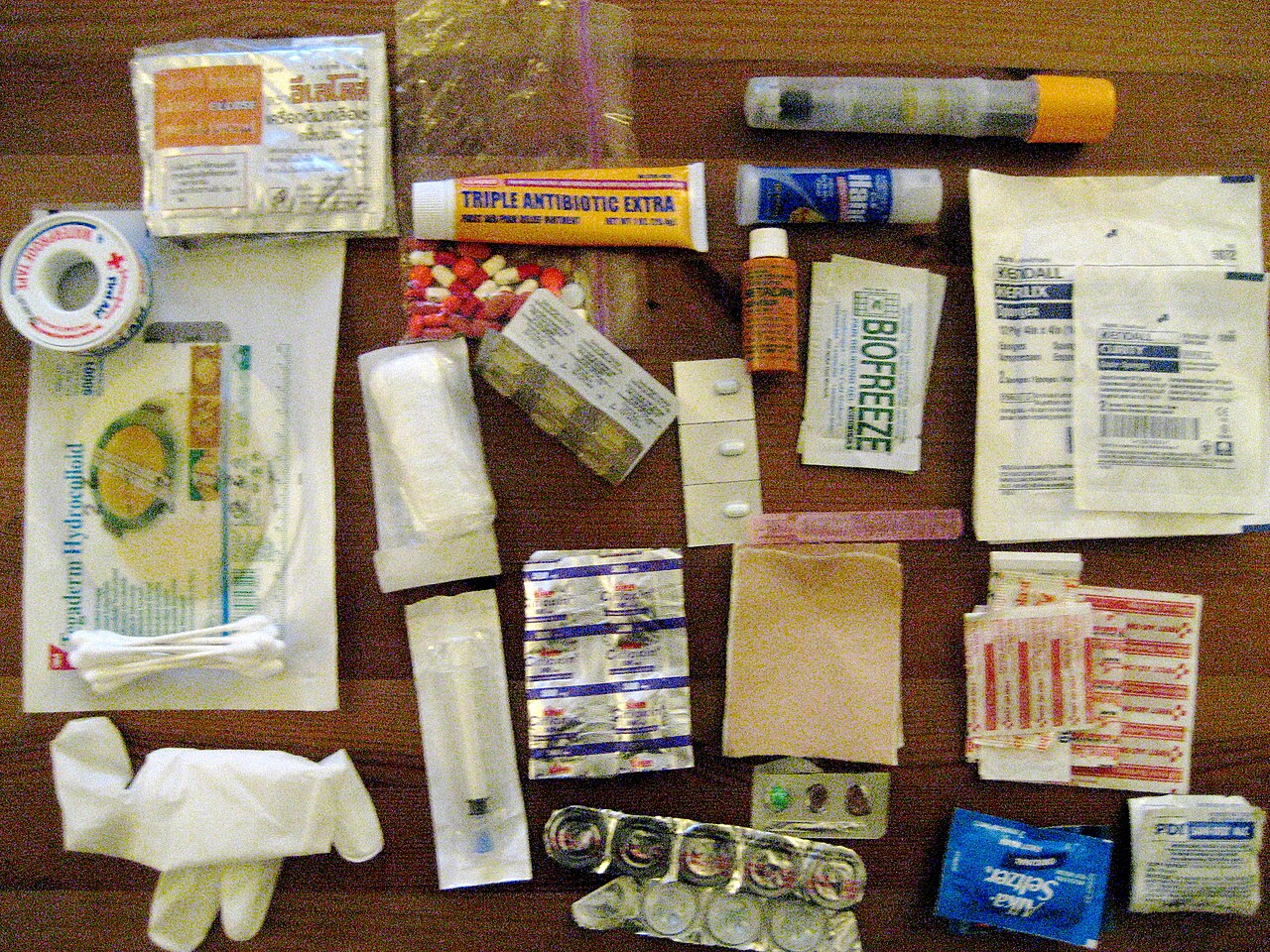
Choose a preset, then enter trip days, the realistic time to definitive medical help, party size and season. The generator divides supplies into five functional groups. Blister and skin care is deliberately first: hot spots and blisters cause the majority of non-trivial trail injuries, and leukotape applied early prevents most of them. The group includes hydrocolloid blister pads, assorted adhesive strips, sterile gauze and a 7.5 cm elastic wrap for sprains.
Wound care beyond a bandage
In the backcountry, irrigation pressure matters more than antiseptic: a 10 ml syringe delivers the clean jet of treated water that washes bacteria out of a dirty wound. Closure strips replace suture kits — field suturing is outside wilderness-first-aid scope and traps contamination. Nitrile gloves protect both responder and patient, while a single trauma pad handles the rare but serious bleed.
Medications, tools and emergency warmth
Ibuprofen and acetaminophen cover pain, inflammation and fever through two mechanisms; loperamide rescues a travel-diarrhea day and an antihistamine handles allergic reactions. Personal prescriptions are added verbatim from the text field — carry enough for the trip plus a spare. Tools stay minimal: fine tweezers handle ticks and splinters, scissors cut tape and clothing, and a small thermometer helps distinguish a fever from heat or cold illness. When rescue is more than four hours away, or in winter, an emergency bivvy joins the space blanket and whistle as part of the hypothermia response. Every weight is a planning estimate; tick items as you pack, check expiry dates yearly, and print the list so it rides inside the pouch.
清单是怎么生成的
多数急救包的问题高度一致:塞满永远用不到的东西,却缺了每次出行都可能用上的高频物品。本工具从真实伤情发生频率出发,而不是货架好看程度;每种消耗品都按人数与行程缩放,并生成可勾选、本机保存、直接打印的清单。
先选择档位,再填写出行天数、到专业医疗救援的现实时间、队伍人数与季节。生成器把物品分成五个功能组。水疱与皮肤护理被刻意排在第一:摩擦热点和水疱占了非轻微徒步损伤的大多数,尽早贴运动贴布能防住其中大部分;这一组还包括水胶体水疱贴、各尺寸创可贴、无菌纱布片,以及处理扭伤的 7.5 厘米弹性绷带。
伤口处理不止贴一块胶布
在野外,冲洗压力比消毒剂更重要:10 毫升注射器能喷出有压力的洁净水流,把脏伤口里的细菌冲出来。免缝闭合条替代缝线包——野外缝合超出了野外急救范围,还可能把污物封在伤口内。丁腈手套同时保护施救者与伤者,一块加压止血垫应对少见但严重的大出血。
药品、工具与应急保温
布洛芬与对乙酰氨基酚通过两种机制覆盖疼痛、炎症与发热;洛哌丁胺挽救旅行腹泻的一天,抗组胺药应对过敏反应。个人处方药按文本框原样加入——用量要覆盖全程并留备份。工具保持极简:细头镊子处理蜱虫与刺、剪刀剪贴布和衣物、小体温计帮助区分发热与高温或低温病。当救援超过 4 小时或处于冬季,应急睡袋会与急救毯、哨子一起加入,构成失温处置的一部分。所有重量均为规划估算;装包时逐项勾选、每年核对有效期,并把清单打印出来放在急救包里。