The deadly hypothermia stereotype is a blizzard. The reality is rain at 4 °C (40 °F), a soaked cotton layer, wind, exhaustion and a hiker who insists they are fine. Most backcountry hypothermia develops in 0–10 °C (30–50 °F) wet conditions, above freezing, in seasons people do not associate with cold death. This guide covers the three stages rescuers watch for, the rewarming sequence that works, the moves that can trigger a fatal heart rhythm, and how to use the cold-risk calculators before the emergency ever starts.
Why rain beats the thermometer
Body heat leaves four ways: radiation to cold sky, conduction into cold ground and water, convection into moving air, and evaporation from wet skin and clothing. Water conducts heat roughly 25 times faster than air, so a soaked hiker lying on bare ground can lose heat faster than a resting metabolism produces it. Add wind stripping the warm air layer off wet fabric, fatigue depleting muscle fuel, and dehydration or hunger blunting shivering, and 6 °C rain becomes genuinely lethal. The forecast temperature is the least informative number on a wet, windy day.
The three stages, and the sign everyone misreads
Core temperature ranges below are clinical guides — you will rarely have a thermometer in the field, so stage by behavior. The classic memory aid is the "umbles": stumbles, mumbles, fumbles and grumbles.
| Stage | Core temp | Key signs | Field meaning |
|---|---|---|---|
| Mild | 35–32 °C (95–90 °F) | Violent shivering, clumsy hands, mood change, withdrawn or stubborn behavior, "umbles" | Still reversible in the field with shelter, food and warmth — act now |
| Moderate | 32–28 °C (90–82 °F) | Drowsiness, altered consciousness, irrational decisions, weak pulse; shivering may stop | Stop shivering is a bad sign — energy exhausted; gentle handling, urgent evacuation |
| Severe | Below 28 °C (82 °F) | Rigid muscles, barely detectable breathing and pulse, unconsciousness, may look dead | Heart-rhythm risk; "nobody is dead until warm and dead" — continue care |
The behavior clues beat the thermometer
A normally cheerful partner who goes silent, snaps at the group, or cannot zip their own zipper is hypothermic until proven otherwise. Paradoxical undressing — people tearing clothes off in terminal cold — is a late, severe sign, not foolishness. Anyone who stops shivering while still cold and deteriorating has moved from mild to moderate, even if they look suddenly peaceful.
Step one: stop the heat loss
- Get out of wind and rain immediately. Pitch a tent or tarp, use a bivvy, get under trees that break the rain — anything that ends convection and evaporation.
- Remove wet clothes and replace them with dry layers; wet fabric in a sleeping bag keeps cooling.
- Insulate from the ground. A pad, empty pack, dry branches or pine boughs break conduction — people forget the bottom and lose heat into the earth all night.
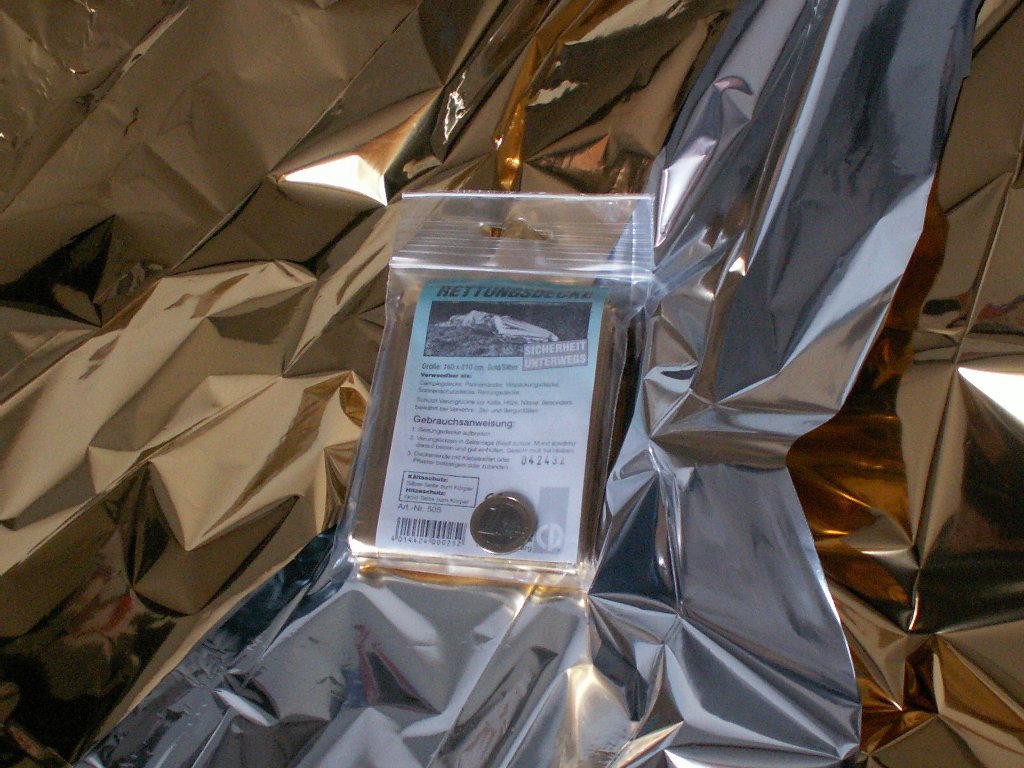
- Enclose the insulation. A vapor-barrier bivvy or emergency blanket over dry layers and a sleeping bag traps radiant heat and blocks spindrift; cover the head and neck, where disproportionate heat escapes.
- Handle gently. Rough movement and limb exercise can trigger the next problem in this article.
Step two: add core heat
What to put in and on the body
For a person who is fully awake and can swallow, warm, sweet, non-alcoholic drinks provide both heat and the calories shivering burns; an unconscious, drowsy or vomiting person gets nothing by mouth. Apply warm objects — water bottles or heated packs wrapped in cloth to prevent burns — to the neck, armpits and groin, where major arteries run close to the surface. A healthy partner in dry clothes inside the bag provides skin-to-skin warmth, especially for the torso. Sugary food once they are alert restarts their internal furnace; shivering burns calories at several times the resting rate.
Step three: manage afterdrop
When a cold, vasoconstricted person is warmed, cold blood from the arms and legs can return to the core and drop central temperature further — afterdrop — while the cold, irritable heart is vulnerable to dangerous rhythms. That is why field care concentrates heat on the core rather than the limbs, keeps the patient lying flat and still, and moves them as gently as possible. Do not let a "recovered" mild case stand up and walk it off; the circulation change on standing can cause collapse.
The forbidden moves
- Do not rub or massage the arms and legs — it drives cold blood back to the heart and wastes energy.
- No alcohol, which dilates surface vessels and creates false warmth while accelerating core loss; no caffeine-heavy drinks either.
- No direct hot sources against bare skin — no hot baths, heating pads straight from boiling water, or campfire exposure; cold skin burns easily and peripheral warming worsens afterdrop.
- Do not let the person walk or remain alone, even if they insist they feel fine.
- Do not give up on a seemingly lifeless body. "Not dead until warm and dead" is a real resuscitation principle — continue care until professional help takes over.
Prevention: run the numbers while you can still click
Treatment is a rescue; the win is never getting there. Before cold trips, check apparent temperature with the wind chill and frostbite planner and screen the day's conditions against the hypothermia risk calculator using temperature, wind, rain and your planned layers — wet plus windy at 5 °C scores in the danger band even under bright morning photos. If your route involves river crossings, capsize risk or travel over ice, read the cold-water immersion tool beforehand: cold shock can incapacitate a swimmer in the first minute, long before temperature-based hypothermia develops.
After rescue: the 24–48 hour rule
Someone who has been meaningfully hypothermic is not fully recovered the moment shivering stops. Core temperature can fall again, judgment stays impaired, and cardiac irritability lingers. For 24–48 hours after the event they should not hike, swim or sleep alone; moderate or severe cases, and any case with altered consciousness, require evacuation and hospital assessment even if the person looks normal afterward. Finish the trip, share body heat in a warm shelter, and let a clinician decide when they are done.