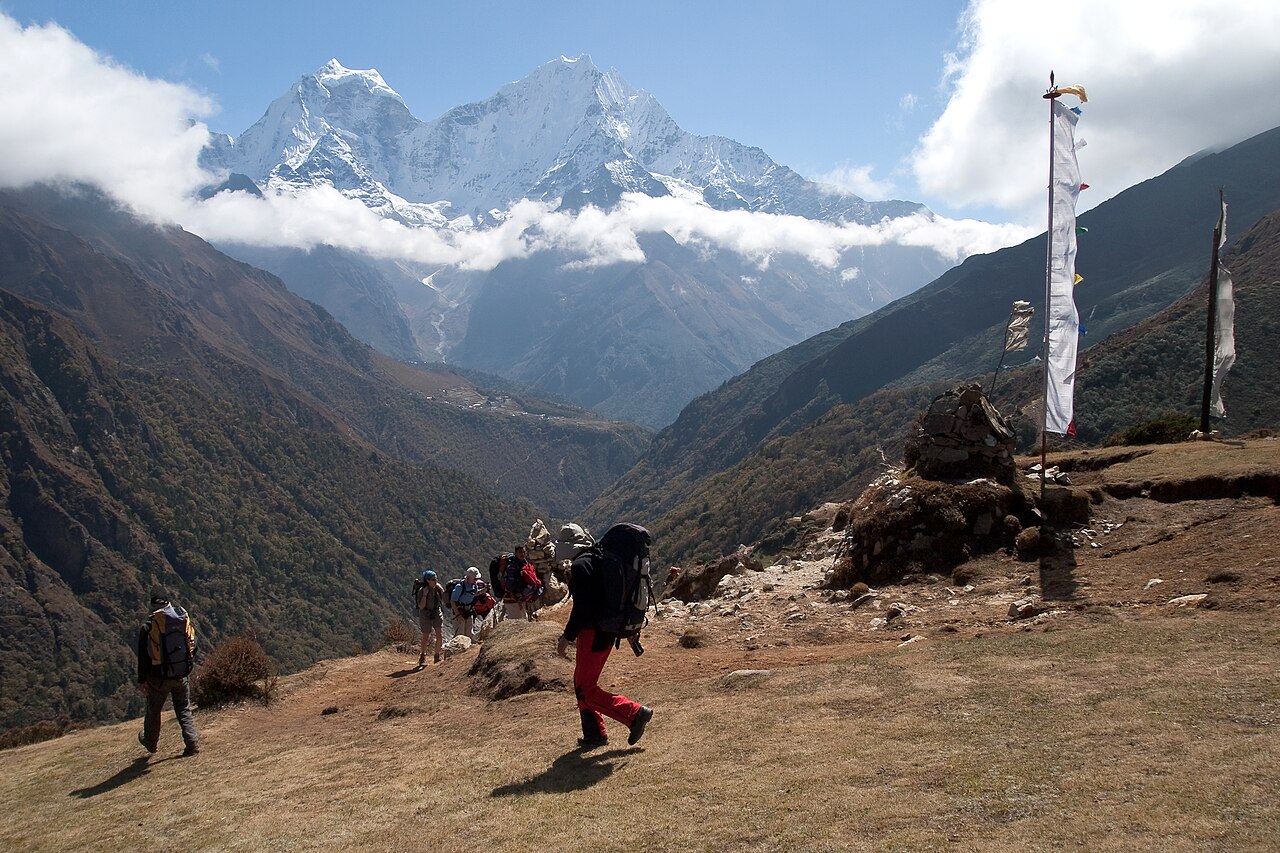
The Ten Essentials were born in the 1930s, when The Mountaineers club in Seattle turned a list of ten items into the standard answer to one question: can you survive an unplanned night outdoors? Ninety years later the items have changed — a phone now sits beside the compass — but the question has not. This guide rebuilds the classic list as ten functional systems, shows what modern gear actually earns its place, and explains how to tailor the whole package to the trip instead of packing from nostalgia.
From an item list to ten functional systems
The old list read like a shopping receipt: map, compass, sunglasses, extra clothing, headlamp, first-aid supplies, fire starter, matches, knife, extra food, extra water, emergency shelter — depending on the edition, somewhere between ten and fourteen things. Counting items is the wrong frame. What matters is whether ten capabilities are covered, because capabilities survive while products come and go. A GPS watch can replace a compass only if it holds a charge; a phone replaces neither if it is locked to a dead network. Build systems with redundancy, not a pile of gadgets that share one failure point.
The ten modern systems are: navigation, sun protection, insulation, illumination, first aid, fire, repair, nutrition, hydration and emergency shelter. The rest of this guide walks through each one, then explains how to scale the set to the trip.
A word on base weight
Base weight is everything in your pack minus consumables (food, water, fuel) and the clothes you are wearing. Ultralight discourse often quotes a sub-20 lb (9.1 kg) pack as the gateway target, with dedicated gram-counters going far lower. Treat that as inspiration, not doctrine. A shaved-first-aid-kit that cannot close a real wound is not lightness; it is a liability. Aim for system redundancy first — two ways to navigate, two ways to make fire, two ways to treat water — and then remove grams from duplicated comfort items. Lighter packs reduce knee strain and let you move farther before dark; they do not outperform a warm layer when the rain arrives.
1. Navigation: map, compass and a charged phone
A navigation system needs three legs: a paper map of the entire route in a waterproof sleeve, a baseplate compass you have actually practiced declinating with, and a phone or GPS unit carrying offline maps. Download regions before you leave — the backcountry is precisely where cell coverage ends. Carry a battery pack sized for the trip and keep the phone in airplane mode; cold lithium cells drain fast, so store it in an inner pocket against your body.
Why the phone does not replace the map
Screens smash, batteries die, gloves make typing impossible and cold rain ends touchscreen parties fast. A map and compass work when wet, cold and empty of charge. The strongest setup uses all three together: plan on the phone's offline map, confirm against the paper map when uncertainty creeps in, and take bearings with the compass when visibility drops below the next ridge.
2. Sun protection: more than a beach habit
Sunburn and snow-blindness arrive quietly at altitude, where UV rises roughly 10–12% per 1,000 m of elevation and snow reflects most of it back up. The system has four parts: SPF 30 broad-spectrum sunscreen, lip balm with UV protection, category 3 sunglasses (glacier glasses with side shields on snow or water), and a brimmed hat. The arithmetic is unforgiving: on a UV index 10 day, unprotected fair skin can begin burning in roughly ten minutes, so SPF 30 theoretically extends that to about 300 minutes — but sweat, wiping and pack straps cut the real number in half. Reapply after heavy sweating, and do not skip overcast days; UV penetrates cloud even when the heat does not.
3. Insulation: one layer more than the forecast
Pack one insulating layer beyond what the predicted weather demands. A sprained ankle at 4 p.m. turns a day hike into a twelve-hour wait, and the temperature you planned for is the one at noon, not midnight. The practical core is a moisture-wicking base, an insulating midlayer (fleece or synthetic vest) and a puffy jacket carried even in summer; cotton denim and cotton sweatshirts belong in town because wet cotton holds water against the skin and speeds heat loss.
Rain gear is insulation, too
A waterproof-shell jacket and, in cool or shoulder seasons, rain pants keep your insulating layers dry; hypothermia routinely kills in temperatures well above freezing once clothing is soaked. Add a cheap pair of liner gloves and a light wool hat — you lose disproportionate heat from head and hands — and you have a system that handles a forced stop in almost any season.
4. Illumination: headlamp plus spare power
A headlamp leaves both hands free for scrambling, cooking or treating a wound, which is why handheld torches do not make the list. Carry lithium primaries or a freshly charged rechargeable, plus spare batteries (or a small power bank that also serves the phone). Modern lamps are bright enough that lumen counts barely matter; waterproofing, a reliable switch lock and a red mode for preserving night vision matter more. Stash the lamp in the same pocket every night so a midnight emergency never starts with a pack excavation.
5 and 6. First aid and fire
First aid: built around real trail injuries
Field data is repetitive: blisters, scrapes, gastrointestinal trouble, sprains and medication needs dominate; dramatic trauma is rare. A useful kit therefore centers on blister care (taping and thin dressings), a few sterile gauze pads and adhesive bandages, a stretch wrap for sprains, tweezers, antiseptic wipes, pain and anti-allergy medication, any personal prescriptions, and nitrile gloves. Build and size yours with the first-aid kit builder rather than buying a pre-packed pouch heavy with filler gauze, and add a small packet of electrolyte powder for illness or heat days.
Fire: two ignition sources and dry tinder
Carry two independent ignition sources — waterproof or stormproof matches in a sealed case plus a ferrocerium rod or lighter — and a small tinder kit of waxed cubes, treated cotton or dryer lint in a waterproof bag. Fire can warm an injured party, purify water, signal rescuers and dry soaked layers. Respect fire restrictions before you strike anything: in drought or high-wind conditions open flames may be legally banned, and a stove is then your only permitted flame. Check local ranger districts and carry a stove regardless.
7 through 10. Repair, nutrition, hydration, shelter
The final four systems cover fixing gear, staying fed and watered, and surviving a night you did not plan for:
- Repair kit: a roll of duct tape (wrapped around a trekking pole or a card to save weight), a needle and thread, a few safety pins, cordage or straps, and a multi-tool or at least a small knife. Tape and cordage solve the majority of pack, boot and tent failures.
- Nutrition: carry at least one extra day of food beyond the plan — dense, non-cooking calories such as nuts, dried fruit, energy bars and jerky survive crushing and need no stove.
- Hydration: enough capacity for the dry stretches between sources plus a treatment method. Water weighs about 1 kg per liter; learn the source points on your map instead of carrying the whole day flat, and follow a proven treatment routine from our backcountry water purification guide.
- Emergency shelter: a bivvy sack or lightweight space blanket is the smallest item that can most change an unplanned night. A large contractor-grade trash bag is a budget option that blocks wind and rain for one person.
| # | System | Core items | Redundancy |
|---|---|---|---|
| 1 | Navigation | Paper map, baseplate compass | Phone with offline maps + power bank |
| 2 | Sun protection | SPF 30, lip balm, hat | Category 3 sunglasses |
| 3 | Insulation | Extra puffy, hat, gloves | Waterproof shell and rain pants |
| 4 | Illumination | Headlamp | Spare batteries or power bank |
| 5 | First aid | Blister, wound and med kit | Personal prescriptions |
| 6 | Fire | Ferro rod or lighter + tinder | Stormproof matches in sealed case |
| 7 | Repair | Duct tape, needle, cordage | Multi-tool or knife |
| 8 | Nutrition | Planned meals | One extra day of no-cook food |
| 9 | Hydration | Bottles or bladder | Filter or chemical treatment |
| 10 | Shelter | Bivvy or space blanket | Trash-bag emergency layer |
Tailor the systems to the trip
The same ten systems ride along on every outing, but their weight and content scale with four variables: duration (a Tuesday afternoon needs no stove; a five-day traverse needs repair depth), season (winter multiplies insulation, illumination and battery needs), party size (groups share stoves and shelters but need more first-aid consumables), and distance from rescue (a roadside stroll self-evacuates; a remote riverbank demands self-sufficiency measured in days). Before every trip, generate a trip-specific list with the smart trip checklist — it weights items by days, weather and remoteness — and use the gear fit advisor when sizing trekking poles and your sleep system, since an ill-fitted pack or a cold-rated bag quietly ruins the same margins the essentials are meant to protect.
- Lay out all ten systems on the floor the night before; empty spots are obvious, buried ones are not.
- Check expiry dates on sunscreen, tablets and fire tinder; check battery charge on lamp, phone and messenger.
- Pack the same way every time: emergency layers and lamp on top, repair kit and first aid in known pockets.
- Match redundancy to risk: add insulation and shelter margin fastest when remoteness or weather worsens.
- After the trip, note what you never touched and what you wished you had; the system improves trip by trip.
The Ten Essentials were never about carrying more. They are about carrying the right ten capabilities so that the trip's worst surprise — injury, darkness, cold water or a missed junction — becomes an inconvenience you can sit out and walk away from.