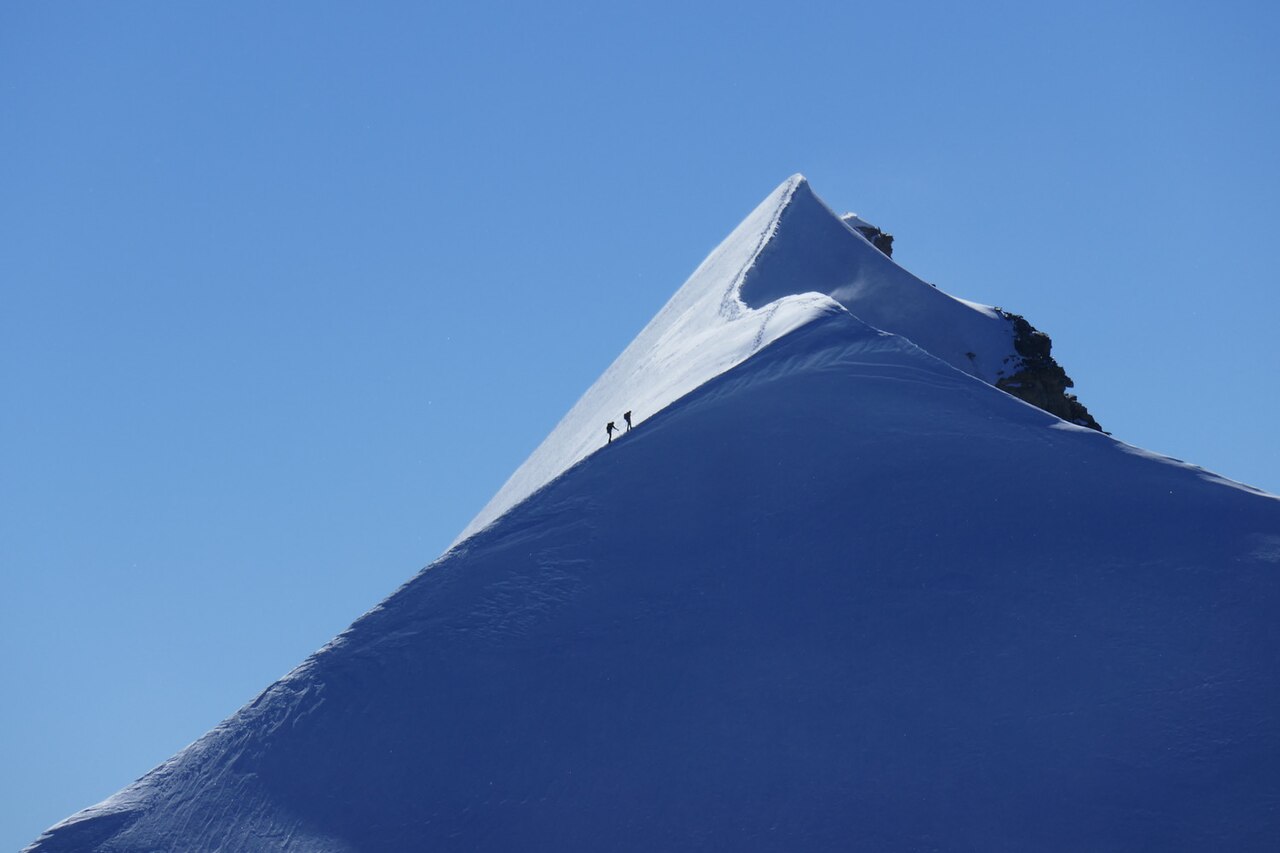
Fitness does not protect you from altitude. A marathon runner can be vomiting in a tent at 3,500 m while an unfit grandparent acclimatizes peacefully next door, because altitude illness is about how your particular body responds to low oxygen, not cardiovascular strength. The good news is that the vast majority of cases follow a predictable script with measurable early symptoms, and the two life-threatening forms announce themselves hours before they become fatal — if someone is paying attention. This guide explains AMS, HACE and HAPE, the Lake Louise self-score used by expedition medics, the ascent rules that keep you healthy, and the exact decision points where “push on” becomes “descend now.”
The three illnesses: AMS, HACE and HAPE
Above roughly 2,500 m (8,200 ft), unacclimatized people can develop one or more of three related conditions as oxygen pressure falls:
- Acute mountain sickness (AMS) is the common, milder syndrome: headache plus one or more of poor appetite or nausea, fatigue or weakness, dizziness or light-headedness, and disturbed sleep. It usually begins 6–12 hours after arriving at a new altitude and feels like a bad hangover combined with jet lag.
- High-altitude cerebral edema (HACE) is swelling of the brain: severe AMS that progresses to confusion, irrational behavior, hallucination, seizures, loss of coordination and eventually coma. It is rare below about 3,500 m and can kill in under 24 hours from onset.
- High-altitude pulmonary edema (HAPE) is fluid leaking into the lungs: worsening breathlessness, cough, weakness and chest tightness, progressing to gurgling breath and frothy sputum. It can occur with only mild headache, which makes it easy to misread.
AMS is a warning; HACE and HAPE are emergencies. All three share one definitive treatment: descent.
Lake Louise scoring: the decision instrument
The Lake Louise Acute Mountain Sickness Score is a short self-assessment medics use above the trailhead clinic. You score four symptom groups from 0 (none) to 3 (severe): headache; gastrointestinal symptoms (appetite, nausea, vomiting); fatigue and/or dizziness; and sleep quality. Add the four numbers.
| Item | 0 | 1 | 2 | 3 |
|---|---|---|---|---|
| Headache | None | Mild | Moderate | Severe / incapacitating |
| Gastrointestinal | None | Poor appetite | Moderate nausea | Vomiting |
| Fatigue / dizziness | None | Mild | Moderate | Severe |
| Sleep | Normal | Disturbed | Awake often | Could not sleep |
A headache is required for the AMS diagnosis. With headache present, a total of 3–5 is mild AMS and 6 or more is severe AMS — the same thresholds used by the altitude planner on this site. Mild AMS says stop ascending; severe AMS says prepare to descend.
Morning and evening checks
Symptoms worsen overnight, so score twice daily: once in the evening after arrival at camp and again before moving higher. A score that is unchanged or improving permits the planned schedule; a rising score changes the plan regardless of how motivated the team is. Partners should score each other too — the brain swelling that HACE brings also impairs judgment, so the person most affected cannot be trusted to assess himself.
HACE: the ataxia test means go down now
The single most important field sign of HACE is ataxia — loss of coordination. Test it with a straight-line walk: ask the person to walk heel-to-toe for several steps on flat ground, arms at sides. Failing this test (staggering, stepping off the line), combined with recent AMS symptoms, is HACE until proven otherwise, even if the person insists they are fine. Other red flags are a sudden change in behavior or consciousness, severe headache unrelieved by ordinary analgesics, vomiting that will not stop, and drowsiness that deepens. HACE management allows no negotiation: descend immediately, at least 500–1,000 m to where the person felt well; administer dexamethasone and supplemental oxygen if carried per medical instructions, and use a portable hyperbaric pressure bag (Gamow-type) when evacuation or descent is delayed.
HAPE: breathlessness at rest is the alarm
HAPE typically builds over the first 2–4 nights at altitude. The warning sequence is reduced exercise performance out of proportion to the group, a persistent dry cough, shortness of breath while resting, a fast heart and breathing rate, then wet cough producing pink or frothy sputum; lips and nails may turn blue. A person who cannot speak full sentences at rest, or who is breathless lying flat, is in respiratory trouble. HAPE responds dramatically and quickly to descent of even 500–1,000 m; supplemental oxygen at 2–4 L/min helps, and pressure-bag treatment is second-best when descent is impossible. Keep the victim upright and warm, and minimize exertion during evacuation — make them sit while the healthy members break camp.
Acclimatization rules that actually work
Acclimatization is physiology, not willpower; it runs on its own clock of days. The evidence-based ascent discipline above 3,000 m is:
- Sleeping-altitude gain above 3,000 m should average no more than about 300–500 m per night. Daytime altitude can go higher.
- Insert a rest/acclimatization day every 2–3 days (or roughly every 1,000 m gained), sleeping at the same elevation as the previous night.
- Climb high, sleep low: day hikes above camp — a 300–600 m gain with a return to sleep lower — are the classic stimulus that accelerates adaptation.
- Avoid flying or driving directly to a high sleeping altitude; if you must arrive above ~2,800 m in a day, spend two–three acclimatizing nights before going higher.
| Day plan | Sleep altitude move | Judgment |
|---|---|---|
| Rest day with 400 m day hike | Same camp | Excellent adaptation |
| +350 m to new hut, mild headache | +350 m | Acceptable; score next morning |
| +700 m after two hard days | +700 m | Too aggressive; insert rest day |
| AMS score 6+ at current camp | Hold; descend if worse | No ascent until symptom-free |
The decision ladder: hold, treat, descend
Translating symptoms into action is where trips go wrong. Use this order:
- No symptoms: follow the 300–500 m rule, hydrate and eat.
- Mild AMS (3–5): do not ascend further; rest at the same altitude, treat headache and nausea symptomatically, and re-score. Most cases improve in 1–2 days with no further gain.
- No improvement within 24 hours, any worsening, or score ≥ 6: descend 500–1,000 m to the last altitude where the person felt well, and stay there until symptoms fully clear.
- Ataxia, altered consciousness, or rest-dyspnea with pink sputum: emergency descent now, with oxygen, dexamethasone (HACE) or a pressure bag as available under medical guidance; arrange evacuation and call 911 / 112 / 120 if rescue services are reachable.
Acetazolamide (Diamox) can speed acclimatization and dexamethasone can temporarily suppress cerebral symptoms, but both are prescription medicines with contraindications and side effects — discuss them with a travel-medicine clinician before the trip, use only as instructed, and never let medication substitute for descent: dexamethasone can hide symptoms while the underlying illness advances.
Daily habits: water, alcohol, pills and sun
Several ordinary choices quietly raise risk. Hydration supports acclimatization but does not prevent AMS — breathing hard at altitude increases fluid loss, so drink to pale urine and eat carbohydrate-rich food, but do not force liters of water believing it grants immunity. Alcohol depresses nighttime breathing (worsening oxygen starvation), dehydrates and masks symptoms; skip it on the first nights high. Sleeping pills and sedatives carry the same respiratory-depression risk and should be avoided at altitude unless a clinician says otherwise. Cold and high UV exposure compound stress: sunburn and snow-blindness are common at exactly the elevations where you can least afford added misery, so use high-factor sunscreen, lip balm and glacier glasses even in overcast conditions. Anyone with a prior HACE or HAPE episode is at markedly higher repeat risk and should plan expeditions with a clinician.
The altitude routine
- Plan sleeping-altitude gains of 300–500 m above 3,000 m and a rest day every 2–3 days; build climb-high-sleep-low days into the itinerary.
- Ascend slowly on day one after any fly-in or drive-in above ~2,800 m.
- Score Lake Louise every evening and every morning with the altitude planner, including partners' scores.
- Mild AMS: stop ascending; worsening or score ≥ 6: descend 500–1,000 m.
- Ataxia, altered mental state, or breathlessness at rest with pink sputum: emergency descent, oxygen/medication/pressure bag per briefing, call rescue.
- Drink to pale urine, eat carbs, skip alcohol and sedatives, protect against UV and cold.
The mountain will still be there next year. Every rule above exists because someone fit, motivated and well-equipped once decided it was not.